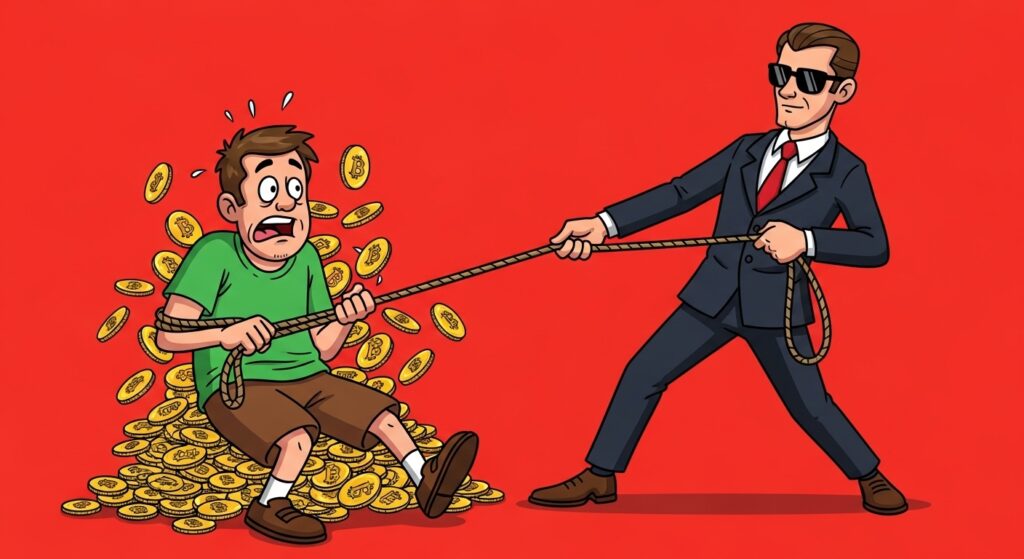
The cryptocurrency landscape can feel like navigating a digital Wild West – exciting opportunities around every corner, but also plenty of pitfalls for the unprepared. Whether you’re a complete beginner or someone looking to sharpen your research skills, understanding the principle of “Do Your Own Research” (DYOR) isn’t just good advice – it’s your financial lifeline in the crypto world.
Let’s face it: the crypto space moves fast, and fortunes can be made or lost in the blink of an eye. That’s why having reliable sources of information and knowing how to evaluate them is absolutely crucial. In this comprehensive guide, we’ll explore everything you need to know about DYOR, from understanding the basics of wallets and exchanges to diving deep into platforms like ecrypto1.com and fintechzoom.com that can help inform your investment decisions.
Why DYOR Matters More Than Ever in 2025
Think of DYOR as your personal bodyguard in the crypto world. Unlike traditional financial markets with their established regulatory frameworks and oversight bodies, the cryptocurrency space operates in a relatively new frontier. This freedom brings incredible innovation, but it also creates opportunities for bad actors to exploit unsuspecting investors.

Here’s the reality: a single compromised private key can wipe out your entire portfolio. Phishing attacks, fake websites, and elaborate scams are unfortunately common occurrences. Even legitimate platforms can have vulnerabilities that put your assets at risk. This isn’t meant to scare you away from crypto – it’s meant to emphasize why being an informed investor is non-negotiable.
The good news? With the right knowledge and tools, you can significantly reduce these risks while positioning yourself to identify genuine opportunities. DYOR empowers you to separate the wheat from the chaff, understanding not just the potential for gains but also the underlying technology, security measures, and market dynamics that drive success.
Understanding the Foundation: Crypto Wallets and Exchanges
Before we dive into research platforms, let’s make sure we’re on the same page about the fundamental tools you’ll be using in your crypto journey.
Crypto Wallets: Your Digital Fortress
A crypto wallet is essentially your personal bank vault in the digital world. But here’s where it gets interesting – crypto wallets don’t actually store your cryptocurrencies. Instead, they hold the cryptographic keys that prove you own specific assets on the blockchain.
Think of it this way: your private key is like having the only key to a safety deposit box, while your public key is like the box’s address where others can send you items. Without these keys, managing digital assets would be nearly impossible.
How Crypto Wallets Actually Work:
The process is more elegant than you might think. When you create a wallet, it generates a unique private-public key pair. When you want to send crypto, your wallet uses your private key to “sign” the transaction – essentially proving you’re the legitimate owner. This signed transaction then gets broadcast to the blockchain network for verification and recording.
Types of Wallets You Need to Know:
- Hot Wallets: These stay connected to the internet, making them perfect for frequent trading but potentially more vulnerable to online threats. They include software wallets on your computer or phone, and web wallets hosted by third parties.
- Cold Wallets: These store your keys offline, offering maximum security for long-term holding. Hardware wallets are the most popular type of cold storage, though some people still use paper wallets (though these carry physical risks).
The security implications here are huge. A breached private key can destroy everything you’ve worked for, and losing your private key without a backup means your crypto is gone forever. That’s why backing up your seed phrase and avoiding suspicious links are absolutely critical practices.
Crypto Exchanges: Your Gateway to the Market
A crypto exchange is your bridge between traditional finance and the digital asset world. These platforms allow you to buy, sell, and trade cryptocurrencies ranging from Bitcoin and Ethereum to hundreds of alternative coins (altcoins).
Understanding Different Trading Approaches:
- Spot Trading: Buying or selling crypto at current market prices
- Margin Trading: Using borrowed funds to amplify your trades (warning: this amplifies both gains and losses)
- Different Order Types: Market orders execute immediately, limit orders wait for your target price, and stop-loss orders help protect against major losses
The key to successful trading lies in understanding these mechanisms and starting small while you learn. Many experienced traders recommend practicing with demo accounts before risking real money.
Deep Dive: ecrypto1.com – A Beginner-Friendly Research Hub
ecrypto1.com has positioned itself as a comprehensive resource for cryptocurrency information, particularly focusing on wallet reviews and exchange analysis. Let’s take an honest look at what this platform offers and how it fits into your DYOR toolkit.
What Makes ecrypto1.com Stand Out
The platform’s biggest strength lies in its user-friendly approach to complex topics. If you’re new to crypto and feeling overwhelmed by technical jargon, ecrypto1.com excels at breaking down advanced concepts into digestible explanations. Users consistently praise its clean interface and fast navigation, making it easy to find the information you need quickly.
However, it’s important to approach any single source with a critical eye. Some users have noted that ecrypto1.com occasionally features outdated wallet reviews, and the platform may lack the sophisticated technical analysis that professional traders seek. Additionally, the site doesn’t transparently share its review process or funding sources, which is something to keep in mind when evaluating their recommendations.
ecrypto1.com’s Approach to Wallet Reviews
One area where ecrypto1.com really shines is in its wallet evaluations. The platform focuses on finding that sweet spot between security and usability – crucial for both beginners and experienced users.
Key Features They Highlight:
- Multi-currency support: The ability to hold Bitcoin, Ethereum, altcoins, and even privacy coins like Monero in one place
- User-friendly interfaces: Designed with beginners in mind, but without sacrificing functionality
- Robust security measures: Including encryption, two-factor authentication, and cold storage options
- Cross-platform accessibility: Available on desktop and mobile devices
- Exchange integration: Allowing direct trading from your wallet
The platform emphasizes how modern wallets can offer quick, nearly instantaneous transfers globally while providing intuitive tools for tracking balances and transaction history. For beginners, ecrypto1.com particularly highlights wallets that offer educational resources and responsive customer support.
Exchange Analysis on ecrypto1.com
When it comes to exchange reviews, ecrypto1.com focuses on platforms that balance simplicity with comprehensive features. They typically highlight exchanges with:
- Clean, intuitive interfaces that don’t overwhelm new users
- Extensive cryptocurrency support covering major coins and promising altcoins
- Advanced trading tools including various order types and analytical features
- High liquidity ensuring smooth trades even during market volatility
- Competitive fee structures with clear explanations of costs
- Strong mobile optimization for trading on the go
Their security analysis typically covers cold storage practices, two-factor authentication requirements, and continuous monitoring for suspicious activities. When comparing exchanges, ecrypto1.com often contrasts user interface design, fee structures, and beginner-friendliness against major platforms like Binance and Kraken.
The Verdict on ecrypto1.com
Strengths:
- Excellent starting point for beginners
- Clear, jargon-free explanations
- Strong focus on user experience
- Helpful customer support
Areas for Improvement:
- Sometimes features outdated information
- Limited advanced technical analysis
- Lacks transparency in review methodology
- Could benefit from more detailed competitive comparisons
Bottom Line: Use ecrypto1.com as a valuable part of your research toolkit, especially if you’re just starting out. However, always cross-reference their information with other reputable sources and official documentation from wallet and exchange providers.
Comprehensive Analysis: fintechzoom.com – Your Risk Management Guide
fintechzoom.com takes a different approach to crypto education, focusing heavily on risk management and practical investment strategies. This platform really shines when it comes to helping investors avoid common pitfalls and make informed decisions about their crypto journey.
fintechzoom.com’s Investment Philosophy
What sets fintechzoom.com apart is its emphasis on fundamental investment principles applied to the crypto space. They consistently hammer home crucial points that many newcomers overlook:
Core Investment Principles:
- Information Security: Be extremely careful with personal information, especially since crypto investments often require sensitive data like Social Security Numbers
- Risk Management: Never invest more than you can afford to lose – crypto is volatile and unpredictable
- Regulatory Compliance: Use regulated brokers and exchanges to ensure some level of protection for your investments
- Independent Research: Take advantage of free research tools, but don’t rely on them exclusively
- Due Diligence: Investigate the teams behind crypto projects, read terms of service, and look for red flags
This practical approach to risk management makes fintechzoom.com particularly valuable for investors who want to approach crypto with a more traditional investment mindset.
In-Depth Hardware Wallet Analysis
One of fintechzoom.com‘s standout features is their comprehensive hardware wallet reviews. Take their analysis of the Ledger Nano X, for example – they provide the kind of detailed breakdown that helps you make informed purchasing decisions.
Their Review Process Covers:
- Technical specifications: Detailed breakdown of features, storage capacity, and compatibility
- Security features: Analysis of secure element chips, authentication methods, and backup systems
- User experience: Honest assessment of setup difficulty and day-to-day usability
- Pros and cons: Balanced evaluation including potential drawbacks like cost and complexity
For the Ledger Nano X specifically, fintechzoom.com notes its support for over 1,500 different crypto assets and its ability to store up to 100 different cryptocurrencies simultaneously. They also honestly discuss the downsides – it’s expensive compared to other options and can be challenging for complete beginners to set up.
Practical Bitcoin Buying Guide
fintechzoom.com really excels in their step-by-step guides for actually purchasing cryptocurrency. Their Bitcoin buying guide is particularly comprehensive, covering multiple purchase methods and their respective trade-offs:
Purchase Methods They Cover:
- Cryptocurrency Exchanges: The most common approach, with detailed steps for account creation, verification, and secure purchasing
- Peer-to-peer marketplaces: Direct transactions with other users, potentially offering better rates but requiring more caution
- Bitcoin ATMs: Physical machines for cash purchases, convenient but often expensive
- Over-the-counter brokers: For large purchases, offering personalized service at premium prices
- Mining: Creating Bitcoin through network participation (though they honestly note this isn’t practical for most people)
Each method includes detailed steps, security considerations, and honest assessments of costs and risks. This practical approach helps readers choose the method that best fits their situation and risk tolerance.
Future-Focused Perspective
fintechzoom.com doesn’t just focus on current tools and methods – they also provide valuable insights into where the crypto space is heading. Their future predictions include:
Wallet Evolution:
- Multi-chain support for managing different blockchain networks
- Enhanced security through biometric verification and advanced hardware
- Better user interfaces with built-in educational tools
- Direct DeFi integration for accessing financial services
- Improved privacy features and regulatory compliance tools
Market Trends:
- Continued growth in Web3 and decentralization
- Increased focus on financial inclusion and global access
- Growing institutional adoption and mainstream acceptance
- Enhanced attention to environmental sustainability
This forward-looking perspective helps investors think beyond current limitations and consider long-term trends that might affect their investment strategies.
Building Your Complete Research Toolkit

While ecrypto1.com and fintechzoom.com provide excellent starting points, comprehensive DYOR requires multiple information sources. Here’s how to build a complete research toolkit that covers all your bases.
Essential Analysis Tools
For Market Data and Trends:
- CoinMarketCap and CoinGecko: Comprehensive price tracking and market data
- TradingView: Advanced charting and technical analysis tools
- DeFi Llama: Tracking value locked in decentralized finance protocols
- Token Terminal: Financial metrics for blockchain projects
For On-Chain Analysis:
- Glassnode: Professional-grade blockchain data analysis
- Chainalysis: Bitcoin flow analysis and blockchain insights
- IntoTheBlock: Real-time market signals and on-chain metrics
- Santiment: Behavioral analytics combining social and financial data
For Social Sentiment:
- LunarCrush: Social media sentiment analysis for crypto projects
- Crypto Fear and Greed Index: Market sentiment overview
- CryptoPanic: News aggregation with sentiment filtering
Reliable News Sources
Staying informed about market developments, regulatory changes, and technological advances is crucial for successful crypto investing. Here are the most trusted news sources in the space:
Established Publications:
- CoinDesk: Industry-leading news and analysis since 2013
- The Block: Research-heavy platform with in-depth reports
- Decrypt: Trustworthy source with beginner-friendly explanations
- Bitcoin Magazine: Focused exclusively on Bitcoin developments
Specialized Platforms:
- Bankless: Deep dive into Web3 and DeFi applications
- The Defiant: DeFi-focused content and protocol analysis
- BeInCrypto: Breaking news and comprehensive reviews
- Coin Bureau: Educational content including exchange reviews
Evaluating Information Quality
Not all crypto information is created equal. Here’s how to separate reliable sources from potential misinformation:
Red Flags to Watch For:
- Unrealistic promises or guaranteed returns
- Lack of transparency about funding or affiliations
- Missing contact information or physical addresses
- Poor grammar or unprofessional presentation
- Pressure to act quickly without proper research time
Quality Indicators:
- Clear disclosure of potential conflicts of interest
- Balanced coverage including both positive and negative aspects
- Citations and links to primary sources
- Consistent track record of accurate reporting
- Transparent methodology for reviews and analysis
Advanced DYOR Strategies for Serious Investors
Once you’ve mastered the basics, there are advanced research techniques that can give you an edge in the crypto market.
Fundamental Analysis Techniques
Technology Assessment:
- Review project whitepapers and technical documentation
- Analyze the development team’s background and track record
- Evaluate the project’s GitHub activity and community engagement
- Assess the real-world utility and problem-solving potential
Market Analysis:
- Study tokenomics and supply/demand dynamics
- Analyze partnership announcements and institutional adoption
- Monitor regulatory developments that could affect the project
- Evaluate competitive positioning within the sector
Technical Analysis Integration
Combining fundamental research with technical analysis can provide a more complete picture:
Key Metrics to Monitor:
- Trading volume and liquidity patterns
- Price action relative to Bitcoin and major altcoins
- Support and resistance levels
- Market sentiment indicators
Advanced Tools:
- TradingView: Professional charting with hundreds of indicators
- Messari: Institutional-grade data aggregation
- DeBank: Portfolio tracking and whale wallet monitoring
- Zapper: Multi-blockchain portfolio analytics
Risk Assessment Framework
Developing a systematic approach to risk assessment is crucial for long-term success:
Project-Level Risks:
- Technology risks (security vulnerabilities, scalability issues)
- Team risks (experience, transparency, past performance)
- Market risks (competition, regulatory changes, adoption challenges)
- Liquidity risks (trading volume, exchange availability)
Portfolio-Level Risks:
- Concentration risk (over-investment in single projects or sectors)
- Correlation risk (assets moving together during market stress)
- Timing risk (market entry and exit timing)
- Operational risk (exchange security, wallet management)
Practical Implementation: Your DYOR Action Plan
Now that we’ve covered the theory and tools, let’s create a practical framework you can implement immediately.
Phase 1: Foundation Building (Weeks 1-2)
Set Up Your Research Environment:
- Bookmark key research platforms including ecrypto1.com and fintechzoom.com
- Create accounts on major data aggregators (CoinMarketCap, CoinGecko)
- Set up a TradingView account for technical analysis
- Install portfolio tracking apps for monitoring investments
Establish Security Practices:
- Choose and set up a secure wallet based on your needs
- Enable two-factor authentication on all accounts
- Create and securely store backup phrases
- Research and select reputable exchanges
Phase 2: Information Gathering (Weeks 3-4)
Develop Information Sources:
- Subscribe to newsletters from trusted publications
- Follow reputable crypto analysts and researchers on social media
- Join relevant community forums and discussion groups
- Set up price alerts and news notifications for your interests
Create Research Templates:
- Develop checklists for evaluating new projects
- Create spreadsheets for tracking investments and research
- Establish criteria for buy/sell decisions
- Document your investment thesis for each position
Phase 3: Active Research and Investment (Ongoing)
Weekly Research Routine:
- Monitor market trends and news developments
- Review portfolio performance and rebalancing needs
- Research new opportunities and potential investments
- Update investment thesis based on new information
Monthly Deep Dives:
- Conduct thorough analysis of potential new investments
- Review and update security practices
- Assess overall portfolio allocation and risk levels
- Evaluate the performance of your information sources
Common DYOR Mistakes to Avoid
Even with the best intentions, many crypto investors make research mistakes that can be costly. Here are the most common pitfalls and how to avoid them:
Information Overload Paralysis
The Problem: Getting overwhelmed by the sheer volume of available information and analysis paralysis.
The Solution: Focus on quality over quantity. Start with a few reliable sources like ecrypto1.com for beginner-friendly information and fintechzoom.com for risk management insights, then gradually expand your toolkit.
Echo Chamber Syndrome
The Problem: Only consuming information that confirms your existing beliefs or biases.
The Solution: Actively seek out contrarian viewpoints and bear cases for your investments. If you’re bullish on a project, make sure you understand the strongest arguments against it.
Recency Bias
The Problem: Overweighting recent events or trends while ignoring longer-term patterns.
The Solution: Always consider multiple timeframes in your analysis. Short-term price movements might be noise, while long-term trends could be more meaningful.
Source Reliability Issues
The Problem: Trusting information from unreliable or biased sources without verification.
The Solution: Always cross-reference important information across multiple sources. Be especially cautious of sources that don’t disclose potential conflicts of interest.
The Future of Crypto Research and DYOR
As the cryptocurrency space continues to evolve, so too will the tools and methods for conducting effective research. Here’s what to expect in the coming years:
Emerging Research Technologies
AI-Powered Analysis: Machine learning tools are becoming increasingly sophisticated at analyzing market sentiment, price patterns, and on-chain data. These tools can help identify trends and opportunities that might not be immediately obvious to human analysts.
Real-Time Data Integration: The integration of real-time social media sentiment, news analysis, and on-chain data is creating more comprehensive pictures of market conditions and project health.
Improved Accessibility: Research tools are becoming more user-friendly, with better visualizations and simplified interfaces that make advanced analysis accessible to retail investors.
Regulatory Developments
As governments worldwide develop clearer regulatory frameworks for cryptocurrencies, we can expect:
- More standardized reporting requirements for crypto projects
- Improved transparency and disclosure standards
- Better protection for retail investors through regulatory oversight
- Clearer guidelines for what constitutes reliable financial advice
Community-Driven Research
The crypto community is increasingly collaborating on research efforts:
- Decentralized due diligence: Community members collectively research and rate projects
- Open-source analysis tools: Collaborative development of research platforms and methodologies
- Crowdsourced fact-checking: Community verification of claims and project information
Conclusion: Your Path to Crypto Success
The world of cryptocurrency offers incredible opportunities, but success requires dedication to proper research and risk management. By leveraging resources like ecrypto1.com for user-friendly information and fintechzoom.com for practical investment guidance, while building a comprehensive research toolkit, you can significantly improve your chances of success in this dynamic market.
Remember, DYOR isn’t just a one-time activity – it’s an ongoing process that evolves with your experience and the market itself. Start with the basics, build your knowledge systematically, and always maintain a healthy skepticism about any investment opportunity that seems too good to be true.
The key to long-term success in cryptocurrency isn’t just about picking winning projects – it’s about developing the skills and discipline to consistently make informed decisions while managing risk effectively. With the right approach to research and the resources we’ve discussed, you’ll be well-equipped to navigate the exciting but challenging world of cryptocurrency investing.
Take your time, start small, and remember that the best investment you can make is in your own education and research capabilities. The crypto market will continue to evolve, but the fundamental principles of thorough research and careful risk management will always serve you well.
Whether you’re just starting your crypto journey or looking to improve your existing research process, the tools and strategies outlined in this guide provide a solid foundation for making informed investment decisions. Stay curious, stay cautious, and most importantly, always do your own research.